

Overeating Protein Makes More Muscle (Not Fat)
Video | Overeating Study | Improving Body Composition | How Much Protein? | How Protein Supports Weight Loss
If you were a scientist and you wanted to understand if excess dietary protein turns into muscle or fat, an effective way to do that would be to get some volunteers to check into an inpatient metabolic ward and feed them a lot of protein.
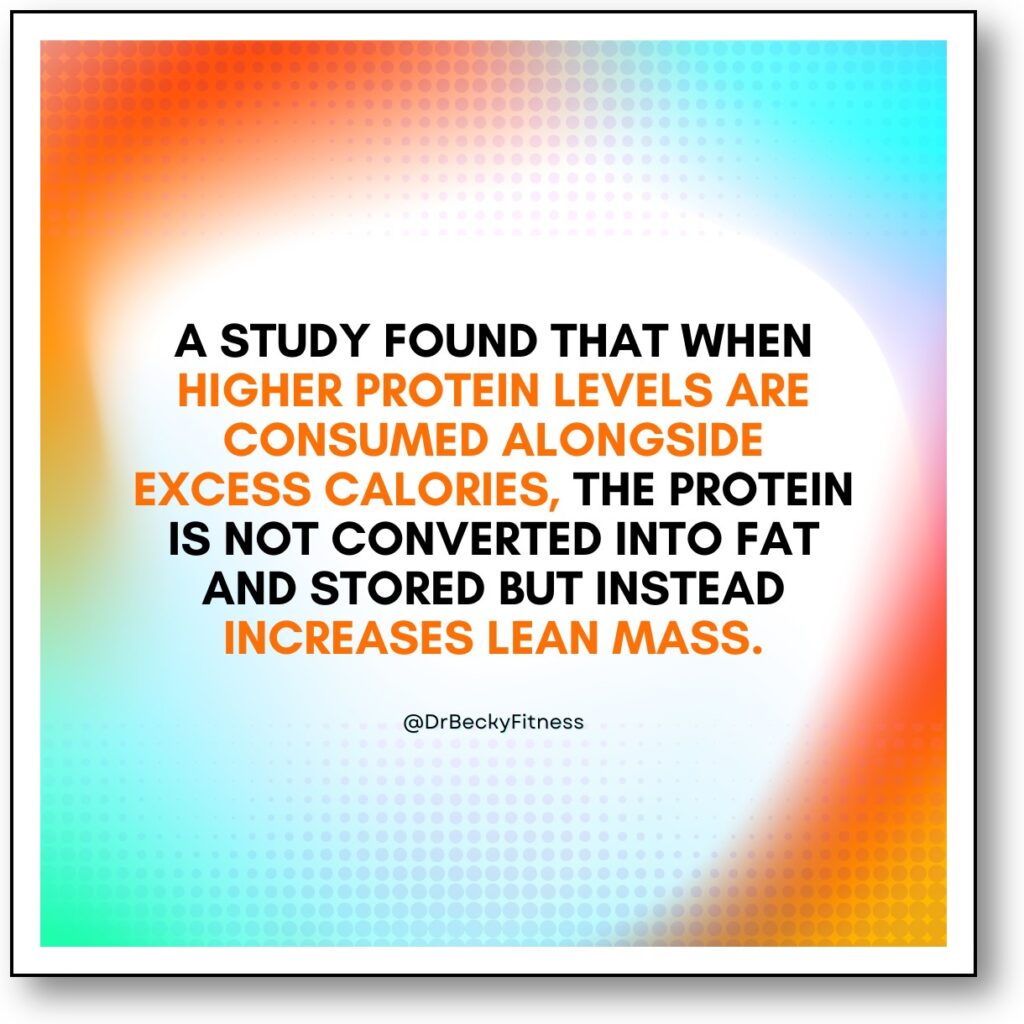
This is exactly what a group of researchers did. They found that when higher protein levels are consumed alongside excess calories, the protein is not converted into fat and stored but instead increases lean mass.
In this blog post, I’ll explain some important points from the study and how much protein you need to eat to mimic the results.
Overeating Protein – At-A-Glance
- A study found that when higher protein levels are consumed alongside excess calories, the protein is not converted into fat and stored but instead increases lean mass.
- Multiple studies have found a positive association between protein intake and weight loss, regardless of the total energy intake.
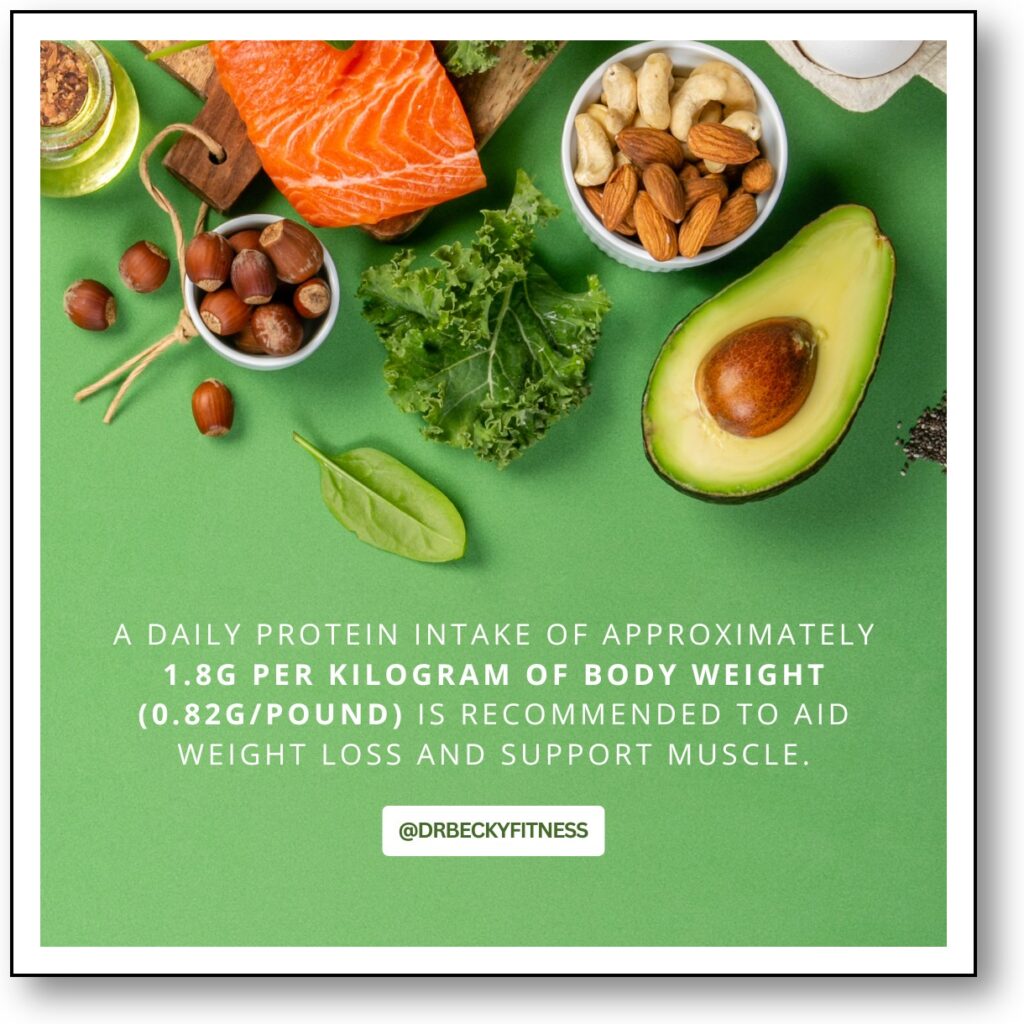
- A daily protein intake of approximately 1.8g per kilogram of body weight (0.82g/pound) is recommended to aid weight loss and support muscle.
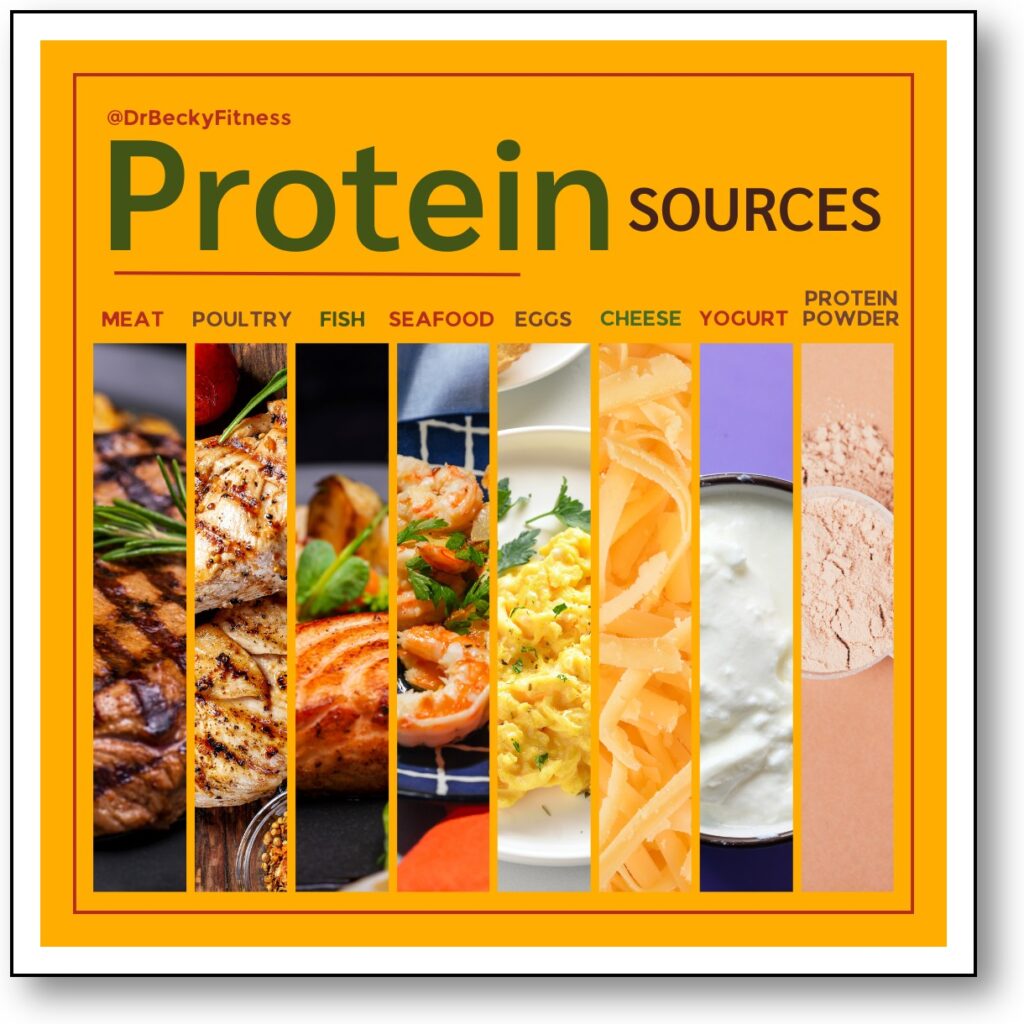
- Good protein sources include meat, poultry, fish, seafood, eggs, cheese, unsweetened yogurt, and high-quality protein powder.
- Protein is not a preferred fuel source because it has many other functions in the body, and converting it to fat is a metabolically demanding process.
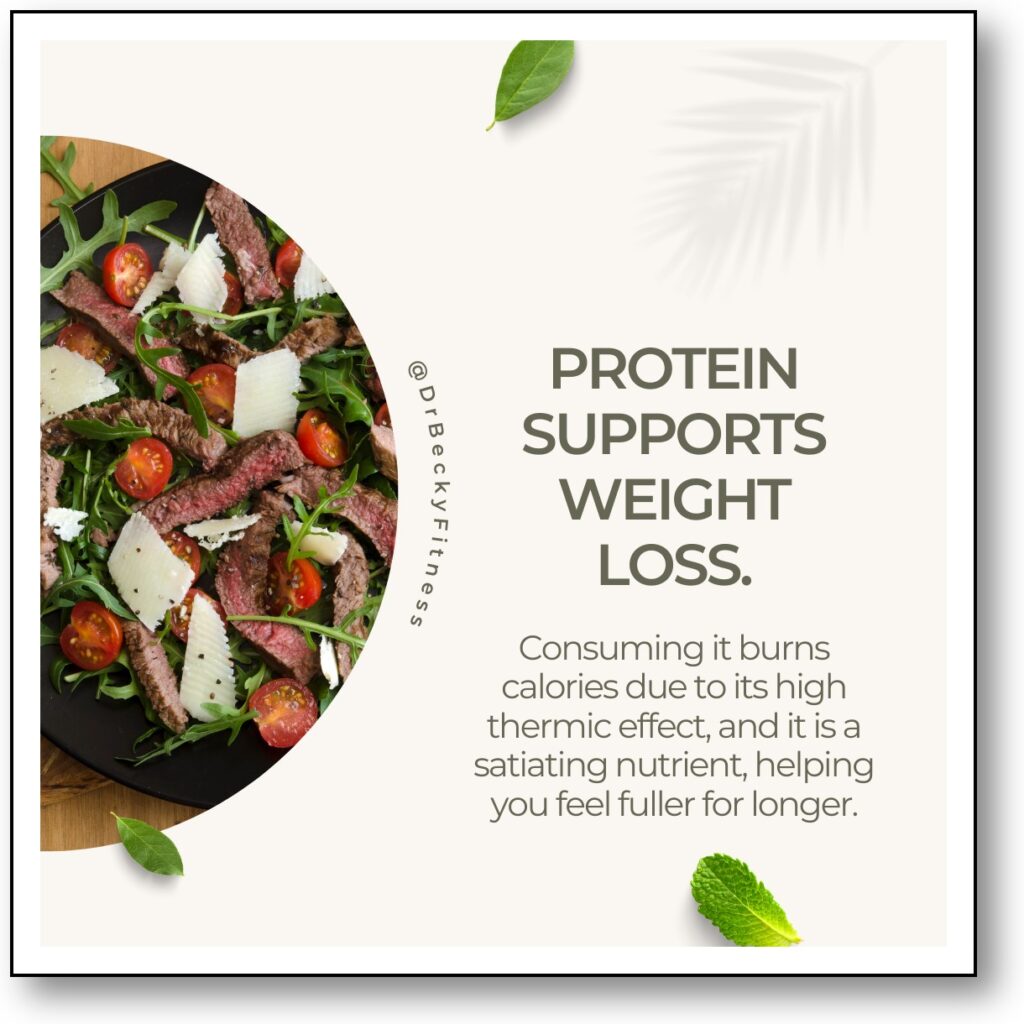
- Protein supports weight loss. Consuming it burns calories due to its high thermic effect, and it is a satiating nutrient, helping you feel fuller for longer.
Overeating Protein Makes More Muscle (Not Fat) [Video]
In this video, you’ll learn…
- Details of the Overeating Study.
- How much protein you should consume daily for lean mass.
- Four ways that eating protein supports weight loss.
The Overeating Study
This study was small, with only 23 sedentary adult volunteers. However, an element greatly enhanced its validity: the participants were admitted to a metabolic ward, so their food intake was under close observation for the entire 8 weeks of the study.
The subjects were randomly assigned to one of three diets: a low-protein diet where protein made up only 5% of their energy intake, a medium-protein diet providing 15% of their energy needs, or a high-protein diet where protein accounted for 25% of their total energy intake (1).
This was not a weight loss study. Actually, it was the opposite. The participants in all three groups were purposely overfed by roughly 40% of their caloric needs. The extra calories were derived from fat. Carbohydrate intake was kept constant across the three diets.
When you overeat by 40% of your caloric needs, you will gain weight and store fat because there is simply too much energy coming in.
Sure enough, all three groups gained weight, with the high-protein group gaining twice as much weight as the low-protein group. But here’s the thing: All three groups gained the same amount of fat.
Why did the two higher-protein groups end up gaining more weight than the low-protein group? Because those groups also gained fat-free mass, aka muscle. The low-protein group actually lost muscle mass.
The takeaway is this: while increased protein intake alongside excess calories results in greater overall weight gain, that gain is primarily lean mass. It is not because protein is being converted into fat and stored.
Overeating Protein to Improve Body Composition
I occasionally receive comments from people who are trying to gain weight. This study shows you how to do that: Eat up to 40% more calories than your body needs and get up to 25% of your overall caloric intake from protein.
But what if you are looking to improve your body composition by gaining muscle and losing weight or body fat?
A review study that evaluated the findings of multiple studies involving more than 2,500 participants found a positive association between protein intake and weight loss, regardless of the total energy intake. The investigators stated that “consuming more protein than the recommended dietary allowance not only reduces body weight, but also enhances body composition by decreasing fat mass while preserving fat-free mass in both low-calorie and standard-calorie diets” (2).
How Much Protein?
Study recommendations differ, but to aid weight loss and support muscle, a daily protein intake of at least 1.6g per kilogram of body weight is generally advised. In the main study that I am highlighting, subjects in the moderate-protein diet consumed 1.8 grams per kilogram (0.82 grams per pound).
Using that 1.8g/kg level as an example, an individual weighing 68 kilograms or 150 pounds should aim for 122g of protein daily, and a person weighing 82 kilograms or 180 pounds should aim for 148g per day.
The protein intake can be spread out throughout the day’s meals and snacks. Some good protein sources to support weight loss include meat, poultry, fish, seafood, eggs, cheese, unsweetened yogurt, and a high-quality protein powder.
You can also get protein from legumes like lentils and beans, as well as raw or lightly toasted nuts and seeds. However, these foods have a higher carbohydrate content, which is something to be aware of if you follow a low-carb or keto diet.
How Eating Protein Supports Weight Loss
Your body processes protein differently than it does fat or carbohydrates, and because of dietary protein’s unique qualities, it supports weight loss in many ways.
Protein is Used Elsewhere
One of the reasons your body treats dietary protein differently is because protein’s primary role is structural and functional, not fuel.
When you consume protein, your body first prioritizes using it for its crucial functions, like building and repairing tissues, producing enzymes and hormones, and supporting your immune system. Only after these needs are met does the body consider using it for fuel.
Converting Protein to Fat is Hard
On top of that, the conversion of protein to fat is a metabolically demanding process that the body generally prefers to avoid. It’s more efficient for the body to make body fat from excess dietary carbs and fats.
Eating Protein Burns Calories
Dietary protein is also hard to break down. The thermic effect of food refers to the amount of energy your body uses to digest, absorb, and metabolize nutrients. Protein has a high thermic effect, with some sources saying it is as high as 20 to 30% (3).
That means if you eat 100 calories of protein, your body only absorbs about 70 or 80 of those calories because the rest of them are burned up digesting the food.
Protein is Satiating
Protein is a satiating nutrient, meaning when you eat it, you feel fuller for longer. This can naturally lead to a reduction in overall calorie intake, making it less likely that excess calories from any source, including protein, will be stored as fat.
Takeaway
Protein is essential for good health. The level of protein we need changes based on our age, activity level, body composition goals, and overall health status.
In this blog post, we focused on how protein supports weight loss and muscle growth and found that a good target for protein intake is about 1.8 grams per kilogram of body weight. If you weigh yourself in pounds, multiply your weight by 0.82.
References:
(1) Bray, George A., et al. “Effect of Overeating Dietary Protein at Different Levels on Circulating Lipids and Liver Lipid: The PROOF Study.” Nutrients 12.12 (2020): 3801.
(2) Moon, Jaecheol, and Gwanpyo Koh. “Clinical evidence and mechanisms of high-protein diet-induced weight loss.” Journal of obesity & metabolic syndrome 29.3 (2020): 166.
(3) Westerterp, Klaas R. “Diet induced thermogenesis.” Nutrition & metabolism 1 (2004): 1-5.
About the Author
Becky Gillaspy, DC, is the author of The Intermittent Fasting Guide and Cookbook and Zero Sugar / One Month. She graduated Summa Cum Laude with research honors from Palmer College of Chiropractic in 1991.


